When a repair quote comes in high on an appliance that’s been around a while, most people start wondering whether new makes more sense. San Jose Appliance Care books registered, insured techs to diagnose refrigerators, washers, dryers, dishwashers and ranges for homes in San Jose and nearby South Bay cities. That visit gives you the piece you can’t guess at: which part failed and what fixing it costs. Set that against the appliance’s age and the price of a similar new model, and the choice usually gets clear.
The half-price test needs two real numbers
Consumer Reports’ long-standing rule of thumb, stated in its 2014 repair guidance, is not to spend more than 50 percent of the price of a new product fixing an old one. Its newer advice also weighs age and what you paid. The half-price check is still a quick first test, as long as neither figure is a guess.

- Your side of the math is the written repair price, part plus labor, from a diagnosis. A ballpark over the phone won’t hold up here.
- The other side is a new model that matches yours in size, layout and features. Pricing a French-door fridge repair against a bargain top-freezer makes almost every repair look like a bad deal.
Age sits on top of both. The closer an appliance gets to the end of its expected service, the smaller the repair should be before it’s worth doing. Spend the same money on a dishwasher four years old and it may buy years, but on one that’s nine it might only buy months.
Expected life by appliance
These figures come from InterNACHI, the association of home inspectors. It offers them as guidelines that assume normal use and upkeep, and they’re averages rather than promises.
| Appliance | Expected life (InterNACHI) |
|---|---|
| Dishwasher | 9 years |
| Microwave oven | 9 years |
| Refrigerator | 9 to 13 years |
| Washing machine | 5 to 15 years |
| Food waste disposal | 12 years |
| Clothes dryer | 13 years |
| Electric range | 13 to 15 years |
| Gas range | 15 to 17 years |
| Standalone freezer | 10 to 20 years |
Signs that point to repair, and signs that point to replacing
Lean toward repair when:
- one part has failed on an appliance that has worked well until now
- the fault is a switch, fan, valve, pump, igniter or element
- the appliance is a built-in or a model you paid well for
- it’s still inside a warranty window for the part that failed
Lean toward replacing when:
- this is the second major repair in a year or so
- the tub, the sealed system or the main control has failed on a budget model near the end of its expected life
- rust has gotten into the cabinet or the drum
- parts are discontinued or months away
Which part failed, and what it usually means
The symptom suggests a part, and the part tells you which way the decision leans. A cheap part on a sound machine is nearly always worth fixing.
| Appliance and symptom | Likely part | Leans toward |
|---|---|---|
| Fridge warm, freezer cold | Evaporator fan or defrost heater | Repair |
| Fridge and freezer both warm, compressor clicking | Start relay, or the compressor itself | Repair if it’s the relay; weigh it if it’s the compressor |
| Washer won’t drain | Drain pump or a clog | Repair |
| Front-loader roaring on the spin | Tub bearings | Weigh it on an older machine |
| Dryer runs but won’t heat | Thermal fuse, element or igniter | Repair |
| Dishwasher won’t drain | Filter, hose or drain pump | Repair |
| Dishwasher leaking from under the tub | Pump seal or the tub | Weigh it on a builder-grade unit |
| Gas oven won’t heat | Igniter | Repair |
A worked example: what’s left on the clock
Say a front-load washer that cost $1,000 is seven years old, and the repair is a drain pump. With an expected life of up to about fifteen years, it may have years left, and the repair is a small fraction of a new machine. Fix it. Now make the same washer twelve years old with failed bearings. The repair is far larger, the machine is near the end of its range, and the bearings rarely go alone. That’s the time to price a new one.
How hard the appliance works changes the clock. A washer running a load or two a day for a family of five wears faster than one doing two loads a week, and Consumer Reports’ own repair tools weigh heavy use toward replacing sooner. Light use buys an older machine more time.
A refrigerator failing around year nine or ten
According to Consumer Reports, fixing a fridge younger than about 10 years usually costs less over time than replacing it, though the original price changes things. A $400 top-freezer near its tenth year is a candidate to replace even for a small repair. A $1,200 French-door model at nine is usually one to keep.
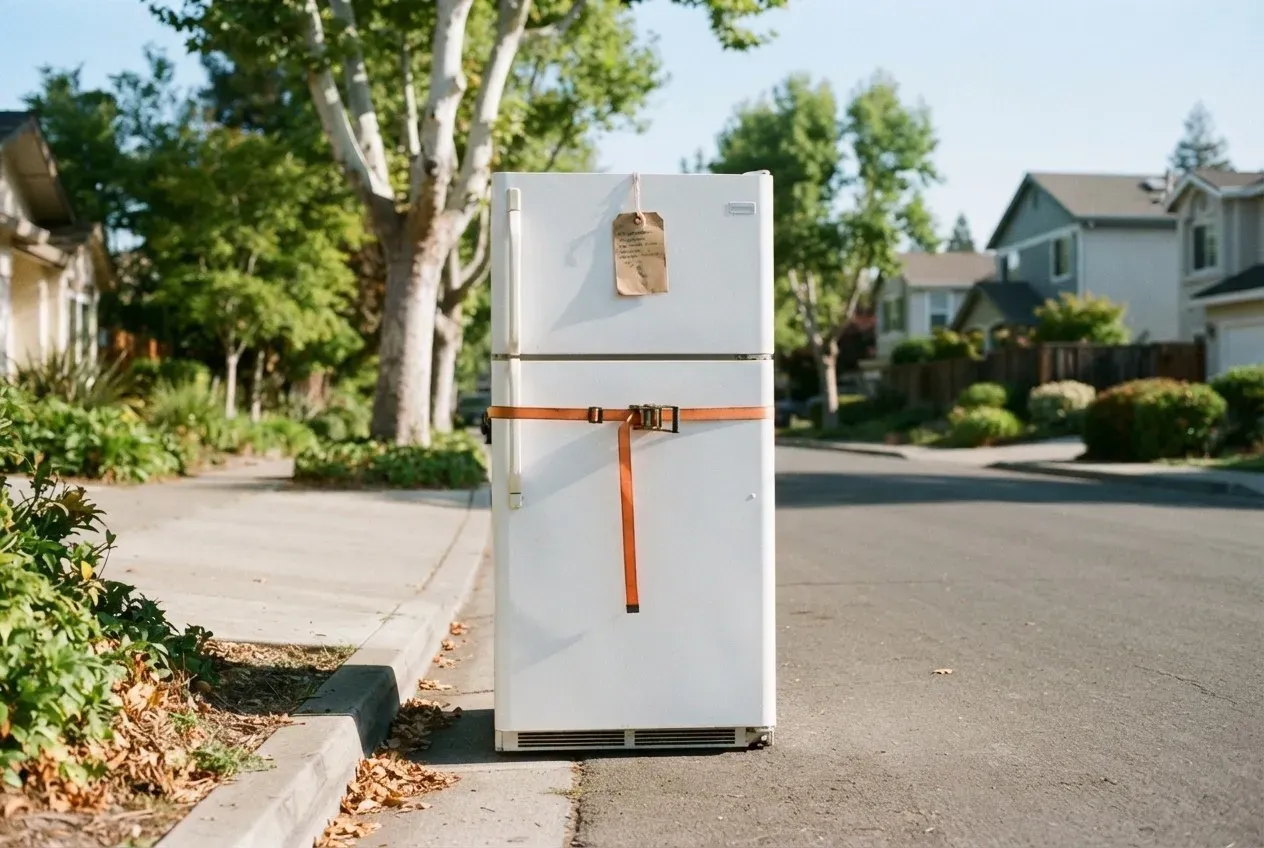
Then look at which part quit. Fan motors, defrost parts, control boards and ice makers usually make sense to fix even in an older refrigerator. The compressor and anything involving refrigerant is where a budget fridge stops paying back. Our appliance repair cost guide shows how that job’s median compares with other fridge repairs.
Not every fix takes on the first visit. The same Consumer Reports survey found 62 percent of refrigerator repairs succeeded the first time. If the fridge is older and the price is close to the line, that number tips things toward buying new.
Washers, dryers, dishwashers and ranges near ten years
Consumer Reports pegs average washer life at close to 10 years. At that point the specific part makes the call, and the type matters too: front-loaders cost a little more to repair at the median than top-loaders, as the appliance repair cost guide shows. On a front-loader the bearings and the tub seal are the expensive failures. On a top-loader it’s the transmission or a worn suspension that lets the tub bang. Swapping a drain pump, door lock or lid switch is a much lighter job than replacing tub bearings or a main control board, and if a second major repair lands inside a year, it’s time to stop.
Dryers last longer, about 13 years in InterNACHI’s table, so a ten-year-old one still has some life in it. A new heating element, thermal fuse or belt is a modest repair at that age. Replacement gets easier to justify when the drum or control board goes on a machine that’s already had work.
Dishwashers run the other direction. Consumer Reports says its numbers usually favor replacing one, since they lose value fast and repairs often cost more than owners expect. Fix a young dishwasher with one problem; an old one needing major work is usually done.
Ranges swing back toward repair. Consumer Reports’ data generally backs fixing them, and the gas range outlasts everything else in the table above.
Built-in models break the half-price rule
The 50 percent test only works if a similar replacement is sitting in a showroom ready to go. Column refrigerators, panel-front dishwashers, wall ovens and pro-style ranges usually aren’t like that. The new unit has to match the opening already cut into the cabinets, it may need custom panels to blend with the kitchen, and it needs installation work a freestanding model skips. Add all that up and a big repair often still wins. Consumer Reports makes the same point about pricey pro-style ranges, saying a repair almost always pays.
Long warranties push further in the same direction. Sub-Zero’s warranty includes sealed-system parts through year twelve, so if the compressor dies in year eight you may owe for labor alone. Full terms are on our Sub-Zero repair page, with Thermador and Wolf covered on their own pages. If yours may still be covered, mention it on the call.
Let us know it’s a built-in and about when it was installed. That way the tech budgets time to pull it out of the cabinets, and the written price reflects it.
Repair or replace, side by side
| Factor | Points toward fixing it | Points toward buying new |
|---|---|---|
| What broke | An igniter, valve, switch, belt, pump or fan | The compressor or sealed system on a budget unit |
| Repair cost next to a similar new model | Far below half | Above half |
| Age | Short of halfway through its expected life | Older than the high end of its expected life |
| Kind of appliance | High-end or built-in | Inexpensive and freestanding |
| Past repairs | None before this | Two or three within a short time |
| Part supply | Available now | Discontinued or long back-ordered |
Settling it with a diagnosis
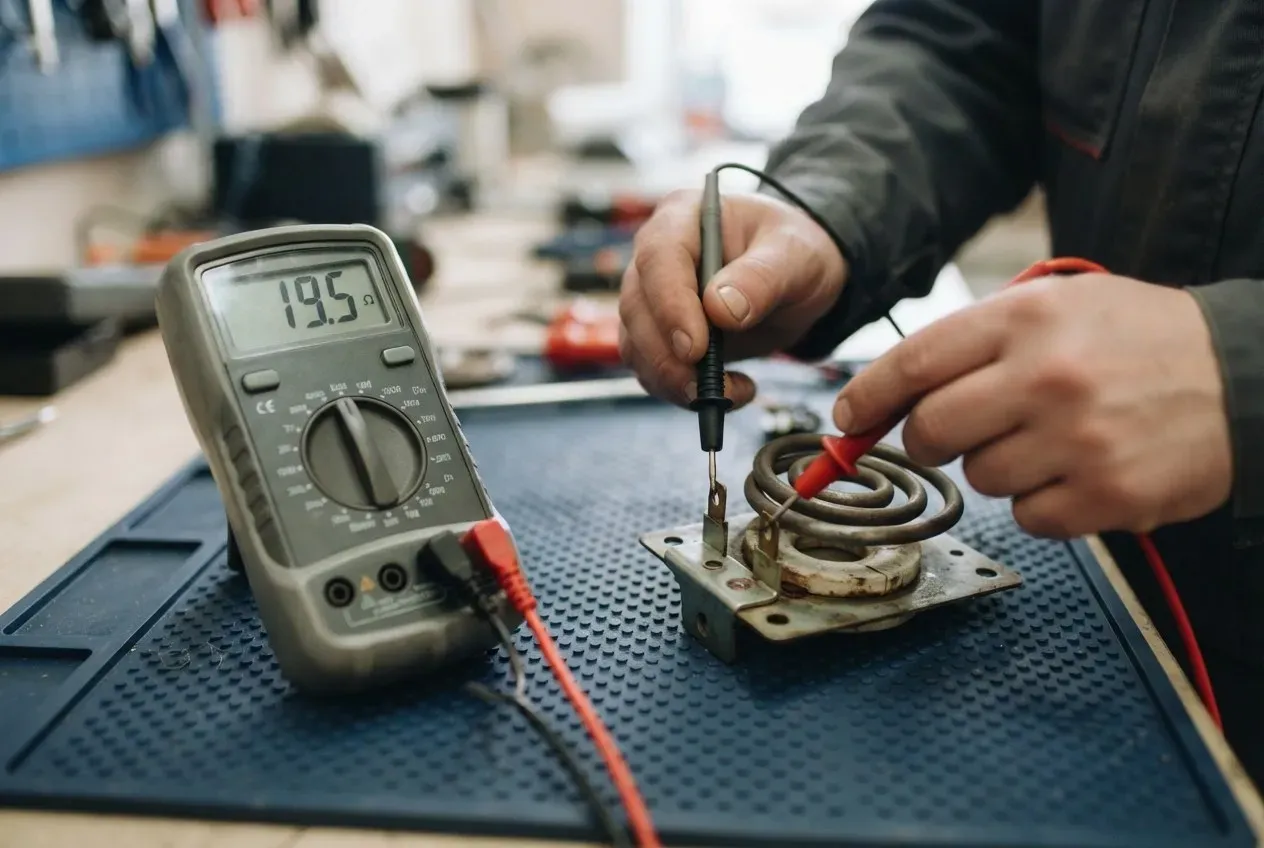
Every line of that comparison hinges on the actual repair price, and nobody has that until the fault is found. On the call, tell us the appliance, its brand and model number, about how old it is and what you’ve noticed. After the tech tracks down the fault, you get the price in writing and can line it up against the table before you commit to anything.